
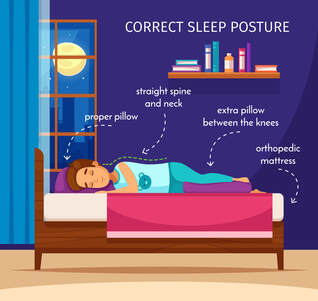
 The Best and Worst Sleeping Positions for Lower Back PainDealing with lower back pain can make it challenging to achieve a good night's sleep. Yet, it's often overlooked how our sleeping habits directly affect the health of our spine. By prioritizing proper sleeping positions and establishing adequate spinal support, you can significantly reduce discomfort and achieve a restful night's sleep. Whether you're dealing with lower back or neck pain, adopting the correct sleeping technique can offer a simple yet effective approach to finding relief. Finding the Best Sleeping Position for Lower Back PainGetting a good night's sleep isn't just about the position you sleep in—it's also about having the right pillow and mattress to support your spine. If your pillows have become worn-out, they won't provide the necessary support, causing your neck to bend unnaturally while lying down. Additionally, mattresses should be replaced far more frequently than most people bother. It’s best to replace your mattress about every 6 or 7 years. A sagging mattress is a surefire way to get on the fast track to lower back issues, so flip it every few months or more frequently if sagging is visible. Once you've got the proper pillow and mattress set up, it's time to find the best sleeping position that minimizes lower back pain and ensures optimal spinal alignment throughout your sleep. How to Sleep on Your SideThe optimal sleeping position for lower back pain is on your side, with a pillow placed between your knees. This helps maintain the natural curve of your spine and prevents unnecessary strain. If there's a gap between your waist and the mattress, using an additional pillow provides further support. Sleeping on your side not only alleviates lower back pain but has also been shown to reduce acid reflux and snoring — good news for your significant other. 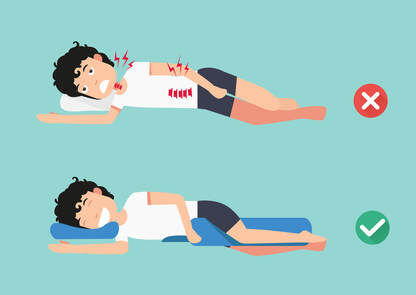 How to Sleep on Your BackIf sleeping on your side is uncomfortable, try sleeping on your back with a pillow positioned beneath your knees. This position evenly distributes your body weight, reducing stress on sensitive areas of the spine. When sleeping on your back, it's important to use a pillow that supports your neck to maintain proper spinal alignment. 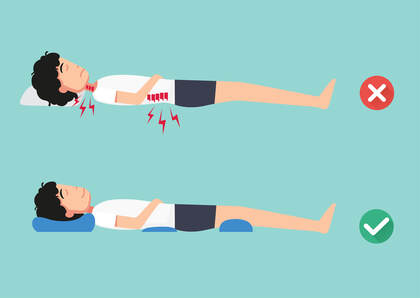 The Worst Sleeping PositionThe absolute worst position you can sleep in is on your stomach. It adds stress to your neck and lower back. If you absolutely cannot sleep unless you’re lying on your stomach, add a pillow between your pelvis and the mattress to relieve some stress. 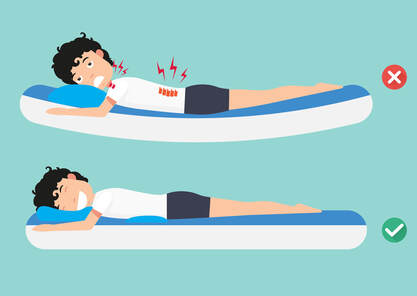 Visit Petrak Chiropractic for More Information on Sleeping Position and Spinal AlignmentThese techniques aren’t exclusive to people that suffer from lower back pain — everyone should employ these successful sleep systems to help prevent future complications. However, a word to the wise: if you already suffer from lower back and/or neck pain, these techniques won’t fix everything overnight (pun very intended), so give it some time. If the pain persists, there may be a deeper issue at play and you should consult with your chiropractor. At Petrak Family Chiropractic, we recognize the value of a restful night's sleep. Our dedicated team is here to help you identify the underlying causes of your discomfort and provide practical solutions to promote a healthier spine. Take the first step towards a pain-free sleep by contacting Petrak Chiropractic to set up your free consultation.
0 Comments
 As smartphones become a ubiquitous part of our lives, the constant hunching over screens is wreaking havoc on our necks and posture like never before. Recent studies have revealed that, on average, Americans spend 7 hours a day looking at screens, putting them at risk for musculoskeletal issues such as tech neck. What is Tech Neck?Tech neck is exactly what it sounds like - neck soreness and stiffness caused by constantly looking down at our devices for extended periods of time. As we spend an increasing amount of time interacting with technology, it is crucial to be aware of the strain we are putting on our bodies. Continually bending our head forward to view our screen exerts significant pressure on our neck, back, and spine, which can have detrimental effects on our posture and long-term health. By being mindful of our posture during screen time and taking necessary precautions, we can mitigate the potential negative impacts of tech neck on our bodies.  Tech Neck SymptomsWhile tech neck certainly causes tension in the neck, the pain and discomfort may extend into other areas of the body, including the back, spine, and shoulders. Depending upon the severity of tech neck, you may experience one or more of the following symptoms:
If left untreated, tech neck can have long-term effects on your health and may even contribute to more serious conditions, including:
Tech Neck Treatment and PreventionIf you're suffering from tech neck symptoms, there are several ways to manage your discomfort and minimize further strain on your neck when using electronic devices. However, pain management alone will not address the root cause of the problem. Therefore, it's crucial to combine pain management strategies with preventative measures to avoid more severe and long-term conditions associated with tech neck. Pain Management
Preventative Measures
Get Advanced Tech Neck Care and Exercises at Petrak Family ChiropracticOne of the best things you can do to cure or even avoid text neck entirely is regularly seeing a chiropractor. At Petrak Chiropractic, we are able to accurately diagnose the issue and provide a treatment regimen custom-tailored to your needs. As a family chiropractic center, we are qualified to treat all sorts of afflictions -- including tech neck. Schedule a consultation to get started today!  Poor posture can cause back and neck pain and potentially lead to more serious problems if left untreated. When it comes to improving and maintaining good posture, strengthening your core is proven to be incredibly effective. The term "core'' refers to the muscles located in the central area of your body, such as the pelvis, lower back, hips, and abdomen. We have compiled a list of four highly effective exercises that specifically target and strengthen your core muscles to help you improve your posture. Incorporating the following core exercises for posture requires less than 15 minutes a day and can significantly improve posture and overall physical well-being, particularly for those leading a sedentary lifestyle or working at a desk job for extended periods. Cat-Cow StretchThis exercise is an excellent way to warm up your spine and stretch out the muscles in your core. Start on all fours with a neutral spine. Firmly plant your hands on the ground directly below your shoulders and hips above knees. Take a deep breath in and look up to the sky with your head while dropping your belly toward the floor. With this arch in the back, you should feel a nice stretch through your abdominals and front body. As you exhale, use your abdominals to pull your belly up and round the spine while tucking your head in. Hold here for as long as you feel comfortable, then repeat. Move through this sequence 10 times.
Hip RaisesStart by laying on your back with your knees bent and feet flat on the ground. Your feet should be hip-distance apart. Extend your arms beside you, palms down. Take a deep breath in and squeeze your glutes as you push your feet into the floor and lift your hips towards the sky. Hold at the top for 3 seconds. Then exhale and roll your spine back down to the ground. For a more advanced version of this core exercise, try the same movement with one leg extended out in front of you. Repeat this movement 10 times.
Plank PoseThis is one of the most beneficial poses you can do, as it works out almost all of the upper body as well as the core. To start, you should be in the “up” position of a pushup. So, on the ground, face down. Plant both hands on the ground, shoulder width apart. Both legs should be extended behind you, feet touching. Bend your arms 90 degrees so you’re midway through a push up and hold that pose for 45 seconds or as long as you can. Tighten your abdominal muscles to ensure that your back remains straight throughout the pose. Then rest and repeat twice more.
Single Leg ExtensionThis pose strengthens the core muscles and stabilizes the pelvis. Lay on the ground, face up. Your knees should be bent so that your feet sit flat on the floor, with your hands behind your head, curling it slightly upward. Take a deep breath and as you exhale, suck in your belly and bring one knee to your chest while extending the other leg at a 45 degree angle off the ground. Switch legs and repeat 10 times per leg.
Tips and PrecautionsTo get the most out of these exercises for better posture, it's important to engage your core muscles during each exercise. Take your time and move slowly with controlled movements, and remember to breathe evenly throughout. If you experience any discomfort or pain during the exercises, stop immediately and consult with a medical professional. Contact Petrak Chiropractic Center for Additional Posture SolutionsThere are many ways we can go about correcting and maintaining proper posture. While these exercises will certainly help, visiting a chiropractor can offer you more personalized, long-term solutions. At Petrak Family Chiropractic, we understand that each patient is different and we take great pride in creating a unique treatment plan tailored to the needs and goals of each individual.
 A study from Pain News Network estimated that nearly 3 out of 10 adults in the U.S. are affected by lower back at any given time. Hip and lower back pain, whether it occurs as a one-time instance or on a chronic basis, can cause significant discomfort and greatly reduce one's quality of life. By identifying the underlying cause of your pain, medical professionals are able to develop a more comprehensive treatment plan tailored to your needs. This article will explore the most prevalent causes of hip and lower back pain, providing you with the information needed to identify the source of your discomfort and address it effectively. Torn Muscles and LigamentsThe most common cause of hip and lower back pain is torn muscles and ligaments. Now, you may be thinking back on all the advice you’ve heard throughout your life: “lift with your knees, not with your back," “always stretch before working out," etc. While, yes, improper lifting techniques can tear muscles and cause lower back pain, muscle tearing can also slowly develop over time. They don’t have to suddenly strike. Torn muscles in the back are commonly caused by:
Herniated DiscsYour spine is made up of stacks of bones (vertebrae) and discs — a jelly-like substance that acts as a cushion between each of the stacked vertebrae. Each disc is contained within a tough exterior casing. A herniated disc is when the soft jelly within the disc leaks out of a tear in the exterior. The protruding jelly will begin to put pressure on nerves in the spine which can cause pain. Oftentimes, this pain radiates from your lower back and extends into the extremities causing a tingling or numbness sensation. Some people can suffer from herniated discs and not even realize it — but for others, the symptoms are more severe. To alleviate the lower back pain caused by a herniated disc, consider scheduling a consultation with a chiropractor. Chiropractic manipulation is regarded as one of the most effective treatment options available and can offer relief from your symptoms. Illnesses and Chronic ConditionsWhile injuries are a common cause of acute and usually temporary back pain, there are numerous chronic conditions and illnesses that result in persistent hip and lower back pain. Some of the most common conditions that can cause back pain include:
In addition to understanding the cause of your discomfort, it is also important to know what preventative measures you can take to protect your spine and avoid hip and lower back pain. Whether you’re diagnosed with a chronic condition or hurt your back gardening, a customized chiropractic treatment plan can help you manage the discomfort and avoid further injury to the affected area. Petrak Family Chiropractic Can Treat Hip and Lower Back PainIf you have recently experienced an injury or are dealing with chronic hip and lower back pain, it is possible to find relief from your discomfort. By utilizing safe, non-invasive, and drug-free techniques, Petrak Chiropractic can help alleviate your pain and improve your well-being.
As a family-oriented chiropractic center, we treat all members of the family, regardless of age — from infants and kids to teens, adults, and seniors. Stop living with pain and take the next step toward a healthier you!  What To Do After Falling on IceAs the weather gets colder and the snow gently falls, it’s easy to be lulled into tranquility by the peacefulness that comes with winter. Unless, of course, you slip on the ice. An unfortunate byproduct that comes with these freezing Midwestern temperatures is frozen, hazardous patches of ice scattered throughout the streets and sidewalks. The last thing you need as you walk out of your house on your way to work in the morning is to slip and create a surprise snow angel in your driveway. But it still happens. In 2017, the US Bureau of Labor Statistics reported over 20,000 workplace injuries due to falling on ice. That’s just in the workplace; who knows how many falls happen at home that never get reported or treated. Common Injuries From Falling on IceThe most common injury from slipping on ice is a wrist sprain or fracture. We have a natural instinct to soften the blow of falling by reaching out with our hands, as this act helps us maintain balance during minor falls and sudden stops. Because both a wrist sprain and fracture are very painful, it is difficult to be sure which one you have without having an x-ray. Ankle injuries are another very common result of falling. If you can put weight on your wrist or ankle after a slip, it is likely to heal on its own. But it's always best to consult a medical professional if possible. In addition, tailbone and hip injuries are quite common from falling on ice. Injuries to the tailbone or hip can be very painful and long lasting. Falling can cause misalignment in your hips, which creates pressure on surrounding nerves and tissues that slows down the healing process. The best way to treat these injuries is by seeing a chiropractor, who will give you exercises that directly target realigning your hips or spine. Recovering From a SlipWhen you slip and fall (whether on ice or not), your body is susceptible to serious injury. If you experience an unexpected impact without bracing yourself, especially on the spine, it can cause serious subluxations, or misalignments, that lead to pinched nerves, vertebrae dislocation, and/or other issues. Ironically, your first reaction to slipping on ice would probably be to put ice on the injured area. The best way to treat an injury is the R.I.C.E method: rest, ice, compression and elevation—which will reduce pain and swelling, but may not cure the underlying cause of your injury. If you still feel pain after two days or so, be sure to visit a chiropractor who can identify what's causing it and provide an appropriate recovery plan for your injury. Chiropractic care can address a variety of injuries resulting from falling on ice. Your chiropractor will work closely with you to improve muscle soreness and stiffness, increase mobility in affected areas—and lessen pain from hernia if that's relevant. They'll also promote physical strength throughout treatment. Preventing Icy Slips and FallsWinter is notorious for causing an increase in accidental fall injuries. Take extra precaution this season by adequately salting your driveway, sidewalk, and porch — but most of all, don’t rush. Take your time and watch your step when you’re not on your own property. You can’t always count on others to be as responsible as yourself. Contact Petrak Chiropractic CenterIf you do wind up taking an unexpected winter tumble and falling on ice, there could be subtle injuries to your spine that you may not notice immediately but will become worse over time. It’s better to be safe than sorry and nip those injuries in the bud before they become serious. Schedule your free consultation at Petrak Family Chiropractic Center today!
 Benefits of Visiting a Car Accident ChiropractorBeing in a car accident is terrifying no matter what the circumstances might be. The best outcome you can hope for is to walk away with no injuries. However, if you’re unfortunate enough to sustain even minor injuries, chiropractic care is your best friend on the road to recovery. It is designed to heal many injuries that typically result from car accidents. Despite the severity of the crash, it’s a good idea to see a chiropractor afterward — even if you feel fine in the moment. Why Is It Important to Consult With a Chiropractor After a Car Accident?Chiropractic care can help many injuries sustained by car accidents — whiplash, muscle injuries, back and neck pains, strains, and spinal subluxations, just to name a few. It is great for treating soft tissue injuries, which even small-scale accidents can cause. Minor fender benders can cause serious whiplash or other injuries to be discovered at a later time. In the event of a car accident, your adrenaline will skyrocket and you may not even notice your injuries at first. However, after a while, you may begin to experience symptoms like shortened range of motion, increased pain levels, tingling in the extremities, and more. If not treated properly, this could lead to more serious problems later in life, so it is always a good idea to consult with a medical professional. Be sure to tell your chiropractor if you were recently in a car accident. They will know exactly what to look for during your initial examinations and plan your treatment regimen accordingly. Benefits of Chiropractic Care After an Auto InjuryChiropractic care can have several benefits if you’ve been in a car accident. Here are just some of the benefits it can have. 1. Minimize PainAfter an accident, chiropractic care can minimize pain using hands-on adjustments to realign your spine and release tension in your body. This decompression releases oxytocin and other hormones that relieve pain while easing stress on joints—which brings long-term benefits to patients' physical well-being as they recover from their injuries. Chiropractors are also trained to use manual therapy techniques like joint mobilization or manipulation to improve mobility of the affected area, which helps with pain management as well as speeding up healing. 2. Restore Range of MotionThe impact from car accidents can cause spinal joints to misalign, leading to inflammation and scar tissue formation. This diminishes flexibility and can cause problems with your range of motion. A car accident chiropractor will manually adjust your body back into alignment and use specific techniques to break the scar tissue up so the affected area can heal faster. By addressing inflammation, scar tissue, and misalignments, chiropractors can help make significant changes in your range of motion. 3. Avoid Pain MedicationsSay you get into an accident but don’t suffer immediate, emergency-causing pain. You think you’re fine, but suddenly you’re getting sharp back pain or neck pain that wasn’t present before. Your first reaction might be to take pain medication, but that only treats the symptoms, not the source! If you suffer from any sort of pain, it’s well past due to see a chiropractor. Pain is indicative of deeper injury and, depending on the severity, can cause issues later on. Pain pills can be expensive and aren’t effective for long-term health. Chiropractic care will target the root of the problem. It not only treats your current pain but will help your body become strong enough to protect itself from future harm. 4. Non-Invasive TreatmentIn extreme circumstances, surgery is inevitable. However, if costly and invasive surgery is at all avoidable, there are other treatment options to consider, such as chiropractic care. It’s a non-invasive way of speeding up the recovery process, meaning you won’t have to interrupt your busy work/life schedule or go through tedious post-surgery recovery. Even in cases where surgery is necessary, seeing a chiropractor makes for great physical therapy and will increase the rate of recovery by strengthening your muscles to get back to their former selves even quicker. It’s the ideal supplement to surgery. Schedule Your Free Consultation with a Car Accident Chiropractor TodayNo matter the severity of your accident, it’s always a good idea to schedule a consultation to be safe — even just for a checkup! Chiropractic care is focused on long-term pain relief and core strength, so if you or a loved one have unexplainable pain or have been in an accident, make an appointment today! 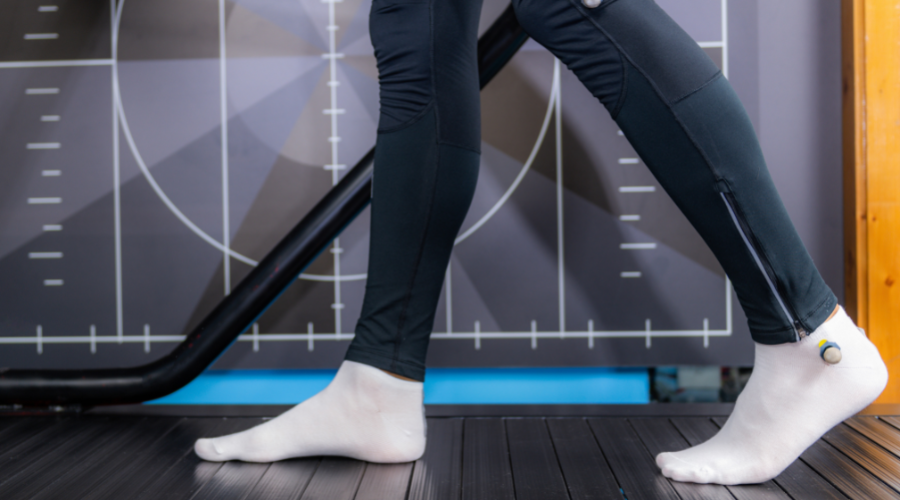 Walking is something we do every day; it is the most basic method of human transportation, and yet the average person hardly pays it much thought. However, if gait (the way in which someone walks) is properly analyzed, it can reveal so much about a person’s health and well-being. In this article, you will learn exactly what a gait assessment is, the advantages of getting one done, and how it relates to your chiropractic treatment. What is a Gait Assessment?A gait assessment is a thorough examination of your stride, or the way you walk. The purpose of a gait assessment is to provide valuable insight into how your body is aligned so that we can identify and diagnose the root causes of your pain or discomfort. In addition, many gait abnormalities are related to specific medical conditions. For example, someone with Parkinson’s disease may take small, shuffling steps or move slower than expected for their age. Therefore, it is important to consider the many factors that affect gait, such as injury, cognition, surgery, muscle weakness, balance, and more, to get a complete picture of possible causes of pain and/or medical conditions. How to Analyze GaitWhile gait assessments can range in complexity from a simple observation to a highly sophisticated computerized analysis, they all start with a visual evaluation. Here are some of the most important components of the gait cycle we pay attention to during your assessment:
There are many moving parts in between seemingly insignificant motions, but with careful observation, your gait can reveal problems in feet, ankles, knees, hips, and spinal alignment. Quality analysis means looking at the entire chain (foot, ankle, knee, and hip) to put the puzzle together. Through these observations, we identify unique movements in your gait cycle, determine your normal gait patterns, diagnose problems, and implement treatments to counter abnormalities. Advantages of Gait AssessmentA comprehensive gait assessment is advantageous for a wide variety of circumstances. Whether you are an athlete looking to optimize your performance or an expecting mother experiencing discomfort, the information collected in the analysis will take you one step closer to a healthier, happier you. Through gait assessment, we are able to make more precise conclusions about any underlying conditions you may suffer from, which greatly affects your care regimen. By having a greater understanding of your gait abnormalities, we can implement more personalized treatments, such as custom orthotics or specific strengthening exercises. Heightened insights into the way you walk allow us to better address your pain points and restore a healthy gait. Being able to walk without pain or discomfort builds a strong foundation for optimal mobility and independence. Schedule Your Gait Assessment with Petrak Chiropractic TodayWhen it comes to chiropractic care, a gait assessment gives us many clues to the root source of your pain and allows us to build a more holistic treatment plan for you. At Petrak Family Chiropractic, we understand that each patient is different and we take great pride in creating a unique treatment plan tailored to the needs and goals of each individual. To get started on your journey towards a healthier gait, schedule your consultation today!
 Did you know chiropractic care can also assist in orthotic treatment? In our practice of family-oriented chiropractic care, we are able to treat a variety of issues in people of any age, from back and neck pain to headaches and migraines. But what many people may not know is that chiropractic care can additionally use orthotic treatments to fix posture problems, foot and ankle pain, and issues with walking. What Are Orthotics?Orthotics are a medical method of correcting the bone and muscular structures of feet, ankles, and legs using braces and other external support devices. The basic concepts of orthotics have been around for over 2,000 years, when wool was inserted into sandals for support and cushioning. Through the centuries, orthotics have been developed into a precise science used to treat a variety of afflictions, such as:
Types of Orthotics: Accommodative and Functional
The Benefits of Custom OrthoticsProvide SupportOrthotics will give you more stability when you stand/walk by improving the alignment and balance of your feet. Custom orthotics are specially designed to remove pressure from your pain points and may even assist in correcting foot abnormalities such as pronation (collapsed arches) and supination (high arches). Injury PreventionDaily activities such as walking, running, or standing on your feet for long periods of time put a lot of stress on your body. Orthotics can assist in stability and shock absorption, which may decrease your chances of injury. They also help prevent previous injuries such as stress fractures or muscle, joint, and tendon strains in the lower body from further harm. Improve Overall Well-beingHaving abnormal biomechanics can cause pain and irritation during daily activities which may negatively impact your quality of life. Many patients report they are able to return to normal activity with significantly less pain when using properly fitted orthotics. Custom orthotics may eliminate your discomfort and allow you to get better sleep at night or be more active during the day. How Chiropractors Can HelpAt Petrak Chiropractic Center, our offices are fully equipped for the creation of custom orthotics, plus we have the knowledge and experience to perform a full gait analysis. Simply put, a gait analysis is a breakdown of your stride (the way you walk). By analyzing the way you walk, we are able to make more precise conclusions about any underlying conditions you may suffer from, which greatly affects your treatment regimen or need for orthotics. We are able to analyze the way you (literally) go about daily life. Having improper gait means that your weight distribution is off and is probably exacerbating issues in the spine that stem from poor posture. By having a comprehensive gait analysis, we are more accurately able to assess any underlying issues that orthotics may be used for to help improve your life on a day-to-day basis. Contact Petrak Family Chiropractics TodayPatients are consistently blown away by the difference they see when properly fitted with well-made custom orthotics. We can help you too. To schedule a gait analysis and set yourself up with custom orthotics, schedule a consultation today.
 Many people assume that as you age, your physical capabilities become limited. While it’s true that the elderly are generally more fragile and likely to hurt themselves from slips and falls, it’s not true that your quality of life has to change just because you’re aging. On the contrary, caring for your body throughout life prepares it for aging while maintaining your physical capabilities. One of the most notable changes people often notice when they get older is they aren’t as flexible as they used to be. Loss of flexibility is a common byproduct of aging, but there are steps you can take to maintain and even regain some of your flexibility as you age. In this blog, we’ll cover how aging impacts flexibility and how chiropractic care can help you preserve your flexibility as you age. How Aging Impacts FlexibilityFlexibility refers to a person’s range of motion in any joint or group of joints throughout their body. As we age, our muscles gradually become weaker, and our joints and ligaments become more rigid and aren’t able to bend as easily. However, the good news is that you can slow these changes down and improve your flexibility no matter how old you are. Staying physically active can help increase your range of motion and slow down the rate at which your muscles weaken. Being physically active doesn’t mean you need to exercise rigorously. Even simple stretching exercises can positively impact your overall flexibility. Another factor that can improve your flexibility is receiving chiropractic care. Can Seniors Receive Chiropractic Care?A common misconception is that the elderly can’t receive chiropractic care because it’s too intensive on the body. The truth is that chiropractic care works the same regardless of age; everyone from infants to octogenarians can benefit from chiropractic care, which is always tailored to your specific needs. In fact, chiropractic care strengthens your body and makes it more resilient and flexible. Chiropractic care for the elderly is treated according to your individual needs. If any treatment is painful for you, it will be adjusted just as it would be for an injured athlete, a pregnant mother, or a person recovering from surgery. Why Should Seniors Consider Chiropractic?Chiropractic treatment is an excellent health investment for seniors because it assists in other health regimens. Chiropractic care isn’t a cure-all for the symptoms of aging; however, it helps your body make the most of things like a healthy diet and regular exercise. Chiropractic care promotes whole-body wellness. As a drug-free and non-invasive treatment option, chiropractic care addresses the root causes of problems and helps you achieve your health goals. Some common goals when starting chiropractic treatment include things like:
Your chiropractor will design a treatment regimen customized to your specific goals and needs. How Does Senior Chiropractic Work?Treatment will begin on your first visit with an evaluation of your current physical health, your health history, an onsite X-ray, and an assessment of your goals or what you want to achieve through your chiropractic treatment. This information helps Dr. Petrak form a tailored treatment plan just for you. After these comprehensive assessments, your second visit will start with a review of your results and a discussion of your personalized treatment plan before beginning that treatment to help you achieve your goals. This plan could include chiropractic adjustments, or various exercises, stretches, and dietary recommendations when necessary. Chiropractic care combined with diet and exercise can significantly improve your quality of life by relieving stress, reducing inflammation, aches, and pains, and strengthening your spine. Petrak Family Chiropractic Can Help You On Your Fitness JourneyWhen people talk about their retirement plans, they often talk about their finances, when they’ll retire, or the things they’ll do, but one thing you rarely hear people talking about is how they’re preparing for their health and their bodies. Yet, investing in your health and body is one of the most important decisions you can make. With the addition of consistent chiropractic care to complement exercise and a healthy diet, you can preserve your range of motion, improve your balance, and keep yourself strong and limber for years and years to come.
Fortunately, one of the best things about chiropractic care is that it’s never too late or too early to begin. No matter your age or ability, chiropractic care is an important step toward a healthier, happier you. So if you’re ready to invest in your body and your future, contact Petrak Family Chiropractic today to schedule a consultation.  Throughout the years, we’ve fielded a lot of questions from patients regarding chiropractic care. Many of these questions are rooted in misunderstandings and misinformation surrounding chiropractic care, so we’ve compiled some of the most frequently asked questions we get from both potential and existing patients and provide the relevant answers. Q: What is chiropractic care?A: Chiropractic is a non-invasive, drug-free method of physical treatment to alleviate a myriad of conditions, although it is most commonly sought after for back and neck pain. Chiropractors physically manipulate specific areas of the body to fix subluxations (spinal misalignments) that negatively affect nerves, muscles, and organs and can lead to other physical complications. Q: At what age is it safe to start receiving chiropractic?A: The short answer is: any age! Now for the longer answer; we are a family-oriented chiropractic practice, meaning we are licensed to treat people of all ages -- from toddlers to young kids and teenagers to the elderly. Q: Is chiropractic painful?A: No. While you may feel some pressure or temporary discomfort, chiropractic treatment is rarely painful. There may be some soreness the day after your first couple of sessions, but your body will get used to it, and the soreness fades over time. However, tell your chiropractor before you begin treatment if you've recently undergone surgery or experienced some sort of injury. If treatment starts to become painful, immediately let your chiropractor know. Q: What kind of conditions can chiropractic treat?A: While chiropractic treatment is most commonly used for back and neck pain, it can be used to treat a wide variety of ailments, including:
Q: Why do chiropractors require so many visits?A: One of the most prominent chiropractic myths is that once you start seeing a chiropractor, you need to see one for the rest of your life. While chiropractic care will have many benefits throughout your life, the truth is it’s entirely up to you how often you visit a chiropractor. Your chiropractor may recommend multiple weekly visits, but this depends on the severity of your spinal issues. New patients with several misalignments might be asked to come in for treatments multiple times a week, but treatments will become less frequent as your conditions improve. Q: Do you need a referral to see a chiropractor?A: In most cases, a referral is not needed to see a chiropractor. Some insurance plans may require a referral before covering chiropractic treatments, so check with your provider if a referral is needed. Petrak Family Chiropractic Center does not require a referral for new patients. Q: Are chiropractors doctors?A: Although chiropractors don’t usually have medical degrees, they are doctors nonetheless. To become licensed providers in the United States, chiropractors must earn a Doctor of Chiropractic degree and pass a rigorous four-part national board exam. Q: Does insurance cover chiropractors?Yes, most insurance policies will cover chiropractic care. According to the American Chiropractic Association, an estimated 87% of insured American workers have policies that will cover it. Q: Is chiropractic safe to receive after an injury?A: Eventually, after the healing process, yes. However, it also depends on the injury. Breaking an ankle shouldn't affect treating back pain much, but recently undergoing back surgery will. Before you begin treatment, inform your chiropractor of any recent surgeries or injuries you've had during the initial consultation page. Q: When should I see a chiropractor?A: Any time! While chiropractic care is most often used for treating pain, seeing a chiropractor regularly, even if you don’t have any pre-existing pain. Chiropractic care strengthens the core muscles, preserves the spine, and promotes a healthier lifestyle that includes stretching, exercise, and a balanced diet. Schedule Your First Chiropractic Appointment TodayIt’s understandable to have many questions before starting any new medical care. The professionals at Petrak Family Chiropractic Center are here to answer any other questions you have about chiropractic care. Give us a call anytime or schedule a consultation today to see just how beneficial chiropractic care can be.
|