Petrak Family Chiropractic Center
  • Home
  • Our Approach
  • Services
    • Family
    • Sports
    • Pregnancy
    • Children
  • Our Team
  • New Patient Info
  • Contact
  • Blog
  • Home
  • Our Approach
  • Services
    • Family
    • Sports
    • Pregnancy
    • Children
  • Our Team
  • New Patient Info
  • Contact
  • Blog

The Best and Worst Sleeping Positions for Lower Back Pain

12/3/2024

 
Picture
Dealing with lower back pain can make getting a good night's sleep feel like an impossible task. Tossing and turning in discomfort not only disrupts your rest but can also exacerbate your pain, creating a vicious cycle that's hard to break. However, what many people don't realize is that their sleeping habits—including their position and sleep environment—play a significant role in either alleviating or worsening lower back pain. 

Here, we'll explore how to sleep with lower back pain by identifying the best and worst sleeping positions and offering practical tips to help you find relief.

Understanding Lower Back Pain and Sleep

Lower back pain is a common ailment that affects millions of people worldwide. It can result from various factors such as muscle strain, poor posture, or underlying medical conditions. Sleep is a crucial time for the body to heal and regenerate, but when your sleeping position puts additional strain on your spine, it can hinder this healing process. Proper spinal alignment during sleep is essential to reduce stress on the back muscles and spinal tissues, which can help alleviate pain and improve sleep quality.

The Best Sleeping Positions for Lower Back Pain

Finding the best sleeping position for lower back pain is essential for both comfort and spinal health. Here are the top positions recommended by experts:​

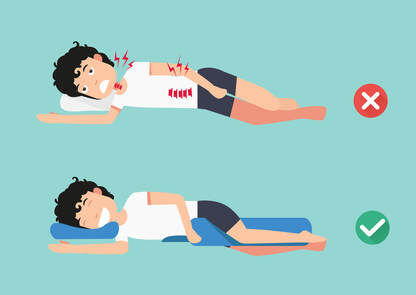
Sleeping on Your Side with a Pillow Between Your Knees

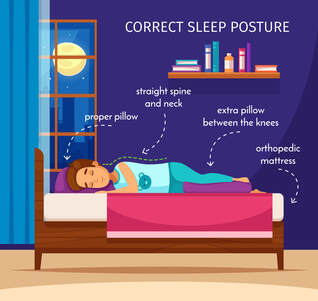
One of the best sleeping positions for lower back pain is lying on your side with a pillow placed between your knees. This position helps maintain the natural alignment of your spine by preventing your upper leg from pulling your spine out of alignment. Here's how to do it properly:

  • Lie on your side: Choose the side that feels most comfortable.
  • Place a firm pillow between your knees: This keeps your hips, pelvis, and spine in better alignment.
  • Use a supportive pillow for your head: Ensure your neck is aligned with your spine.

This position not only alleviates lower back pain but can also reduce acid reflux and snoring, offering additional benefits for overall sleep quality.
Picture

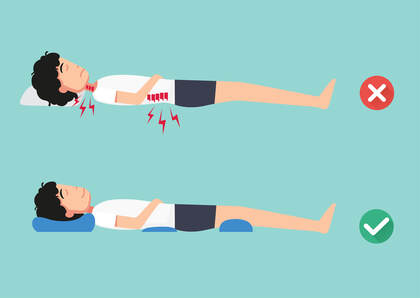
Sleeping on Your Back with a Pillow Under Your Knees

Another effective position for those wondering how to sleep with lower back pain is lying on your back with a pillow under your knees. Sleeping on your back evenly distributes weight across your body, minimizing pressure points and ensuring proper spinal alignment. To maximize comfort:

  • Lie flat on your back: Keep your back straight.
  • Place a pillow under your knees: This maintains the natural curve of your lower back.
  • Support your neck with a pillow: Choose a pillow that fills the space between your neck and the mattress.

This position reduces stress on the lower back and can be particularly beneficial for those with degenerative disc disease.
Picture

The Worst Sleeping Position for Lower Back Pain

Just as certain positions can alleviate pain, others can worsen it. Identifying the worst sleeping position for lower back pain is crucial to avoid exacerbating your discomfort.​

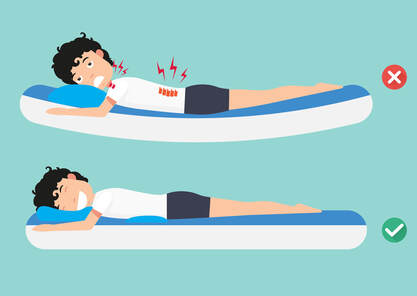
Sleeping on Your Stomach

Sleeping on your stomach is widely considered the worst sleeping position for lower back pain. This position forces your neck into an unnatural twist and flattens the natural curve of your spine, leading to increased strain on your back muscles and spinal joints. The consequences include:

  • Increased pressure on the spine: This can lead to irritation of the nerves.
  • Neck strain: Turning your head to one side can cause neck pain.
  • Disrupted spinal alignment: This can exacerbate existing back issues.

If you must sleep on your stomach, minimize harm by:

  • Placing a pillow under your pelvis and lower abdomen: This helps keep your spine in a more neutral position.
  • Using a thin pillow or no pillow under your head: This reduces neck strain.

However, it's advisable to train yourself to switch to a side or back sleeping position to promote better spinal health.
Picture

How to Sleep with Lower Back Pain: Additional Tips

Beyond choosing the right sleeping position, several other factors contribute to alleviating lower back pain during sleep.

Choosing the Right Mattress

Your mattress plays a pivotal role in supporting your spine during sleep. An unsupportive or sagging mattress can misalign the spine and contribute to lower back pain. Consider the following:

  • Mattress firmness: Opt for a medium-firm mattress that supports the natural curve of your spine.
  • Mattress replacement: Replace your mattress every 6 to 8 years, or sooner if you notice sagging or discomfort.​
  • Regular maintenance: Rotate or flip your mattress every few months to promote even wear.

Selecting the Right Pillow

A proper pillow supports the natural curve of your neck and aligns your head with your spine. Tips for choosing the right pillow include:

  • Pillow loft: Side sleepers may need a thicker pillow, while back sleepers might prefer a medium thickness.
  • Material: Memory foam or contoured pillows can provide better support.
  • Replacement frequency: Replace pillows every 1 to 2 years to ensure they remain supportive.

Creating a Sleep-Friendly Environment

A conducive sleep environment can enhance sleep quality and reduce lower back pain.

  • Temperature control: Keep your bedroom cool to promote restful sleep.
  • Darkness: Use blackout curtains or eye masks to block out light.
  • Noise reduction: Use earplugs or white noise machines to minimize disturbances.
  • Relaxation techniques: Practice deep breathing, meditation, or gentle stretching before bed to relax your muscles.

When to See a Chiropractor for Lower Back Pain

While these sleeping techniques can significantly alleviate discomfort, they won’t resolve every case of lower back pain. If your pain persists despite adjustments to your sleeping habits, it could indicate an underlying issue that requires professional attention. Chiropractors can assess your condition, identify the root cause of your pain, and recommend personalized treatment options.

Visit Petrak Family Chiropractic for Personalized Care

At Petrak Family Chiropractic, we understand how frustrating it can be to deal with lower back pain, especially when it interferes with your sleep. Our team specializes in helping patients improve their spinal health through targeted chiropractic care and lifestyle adjustments.

If you’re struggling with back pain and need expert guidance, we’re here to help. Schedule your free consultation with Petrak Family Chiropractic today and take the first step toward pain-free, restful sleep.

Comments are closed.
Picture
Picture
Petrak Family Chiropractic Center  |  3070 Wolf Road, Westchester, IL 60154  |  708-223-8494 | Fax: 708-731-3908
Privacy Policy  |  Terms  |  ​Schedule Appt. | Contact | Website by RyTech, LLC